Introduction In the fast-paced world of digital business, guessing what your customers want is a recipe for failure. The most successful companies in 2026 do not rely on guesswork; they use advanced software to anticipate needs, understand human behavior, and essentially “read the minds” of their users before a single word is spoken.
If you want to stay ahead of these trends, keeping an eye on our latest Tech Insights and Roadmaps on the dealingmate.com blog is your first step. For freelancers, startup founders, or tech professionals, mastering behavioral analytics and Customer Relationship Management (CRM) tools is your ultimate superpower. These platforms track digital body language, analyze sentiment, and predict exactly what a customer will buy next. Here are the top 5 tools you need to understand customer psychology and skyrocket your sales this year.
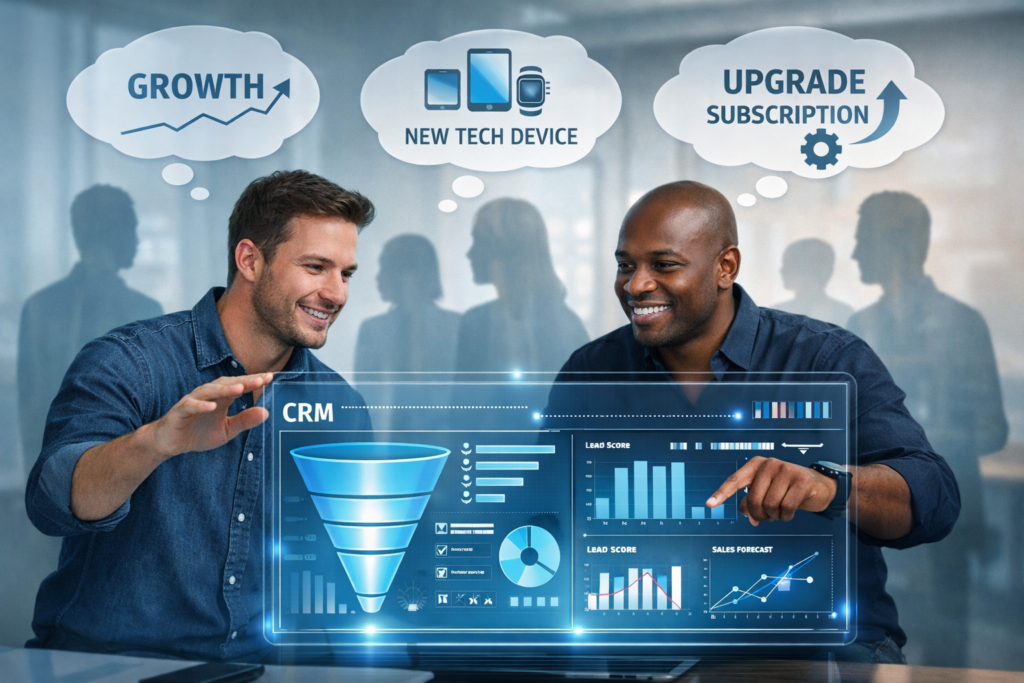
1. AI-Powered CRMs (HubSpot & Salesforce) A modern CRM is no longer just a digital address book; it is a behavioral prediction engine. Tools like Salesforce Einstein and HubSpot use Artificial Intelligence to analyze every interaction a customer has with your business. By tracking email opens, website visits, and past purchases, these platforms predict the exact moment a client is ready to buy. If you are new to how these underlying systems make decisions, checking out our AI Basics for Absolute Beginners course will give you the perfect foundation to understand this predictive logic.
2. Behavioral Heatmapping (Hotjar & Microsoft Clarity) Want to see exactly what your website visitors are looking at? Heatmapping tools are the closest thing to digital telepathy. They record how users scroll, where their mouse hovers, and what buttons they hesitate to click. By watching these session recordings, you can identify hidden frustrations and subconscious desires. If users keep clicking an image that isn’t a link, you instantly know what they expect to happen—allowing you to redesign your site to perfectly match their mental model.
3. Predictive Analytics (Mixpanel & Google Analytics 4) While basic analytics tell you what happened yesterday, predictive analytics tell you what will happen tomorrow. Tools like Mixpanel track the “events” or actions users take inside an app or website. By analyzing these behavioral patterns, the software can accurately predict which users are highly engaged and which ones are about to cancel their subscriptions. If you want to dive deeper into learning the technical skills required to build or manage these systems, explore our full library of tech and programming courses.
4. Social Sentiment Analysis (Brandwatch & Sprout Social) To truly read the mind of the market, you need to listen to the whispers. Sentiment analysis tools use Natural Language Processing (NLP) to scan millions of social media posts, reviews, and forums. They do not just track mentions of your brand; they analyze the emotion behind the words. Are people angry, excited, or confused about a new tech trend? By understanding the collective emotional state of your audience, you can tailor your messaging to resonate with exactly how they are feeling right now—a crucial skill if you are looking into How to Make Money with AI in 2026.
5. Conversational AI Agents (Intercom & Zendesk AI) Modern AI customer service bots do more than answer FAQs; they analyze the tone and urgency of the customer’s message. If a user types in a frantic, frustrated manner, the AI can instantly detect the negative sentiment and route the chat to a human specialist, complete with a summary of the user’s emotional state. This allows the human agent to approach the conversation with immediate empathy, de-escalating the situation flawlessly. This level of autonomy is exactly what we discuss in our breakdown of Agentic AI Explained Simply.
Conclusion Technology has evolved beyond basic code and hardware; it is now the ultimate tool for understanding human behavior. By integrating these SaaS platforms into your workflow, you strip away the guesswork and build businesses that feel incredibly intuitive to your users. When you can anticipate a customer’s needs before they vocalize them, you aren’t just selling a product—you are providing a mind-reading level of service.